Can I Build Without VDA Approval? (Legal Risks & Rules in Varanasi)

Common Reasons for VDA Map Rejection in Varanasi

When purchasing a plot or planning a new home in Varanasi, property owners are often tempted to bypass official paperwork. Whether it’s to save on statutory fees or avoid bureaucratic delays, a common question arises on-site: Can I build without VDA (Varanasi Development Authority) approval?

The short, straightforward answer is no. Building any residential or commercial structure within the VDA jurisdiction without prior map approval is strictly illegal under Uttar Pradesh urban planning laws.

Understanding why VDA approval is non-negotiable—and the severe consequences of ignoring it—can save you from massive financial and legal headaches down the road.

What Happens If You Build Without VDA Approval?

Bypassing the Varanasi Development Authority may seem like a shortcut during construction, but it exposes your property to severe penalties:

  1. Sealing and Demolition Notices: Under the UP Urban Planning and Development Act, the VDA possesses the power to issue immediate stop-work notices, seal unauthorized sites, or forcefully demolish illegal floors and unapproved structures.

  2. Inability to Secure Utilities: Legally sanctioned electricity meters (Dakshinanchal Vidyut Vitran Nigam) and municipal water connections often require an approved map or occupancy certificate, forcing unauthorized builders into expensive, unreliable alternatives.

  3. Zero Resale Value and Zero Bank Financing: No scheduled bank or housing finance company will approve a home loan for a property that lacks a valid VDA layout sanction. If you ever want to sell the house, buyers will steer clear of legal title risks.

  4. No Protection Under Compensation Schemes: If local road-widening or municipal development projects impact your area, unapproved constructions are rarely compensated fairly compared to legal, map-sanctioned assets.

VDA Approval vs. Gram Panchayat Approval: Know the Boundary

A frequent point of confusion for local landowners is jurisdiction: “My land is on the outskirts, so do I still need VDA approval?”

  • Inside VDA Limits: If your land falls within the municipal corporation or designated VDA development areas, mandatory approval from the VDA is required before you pour a single foundation.

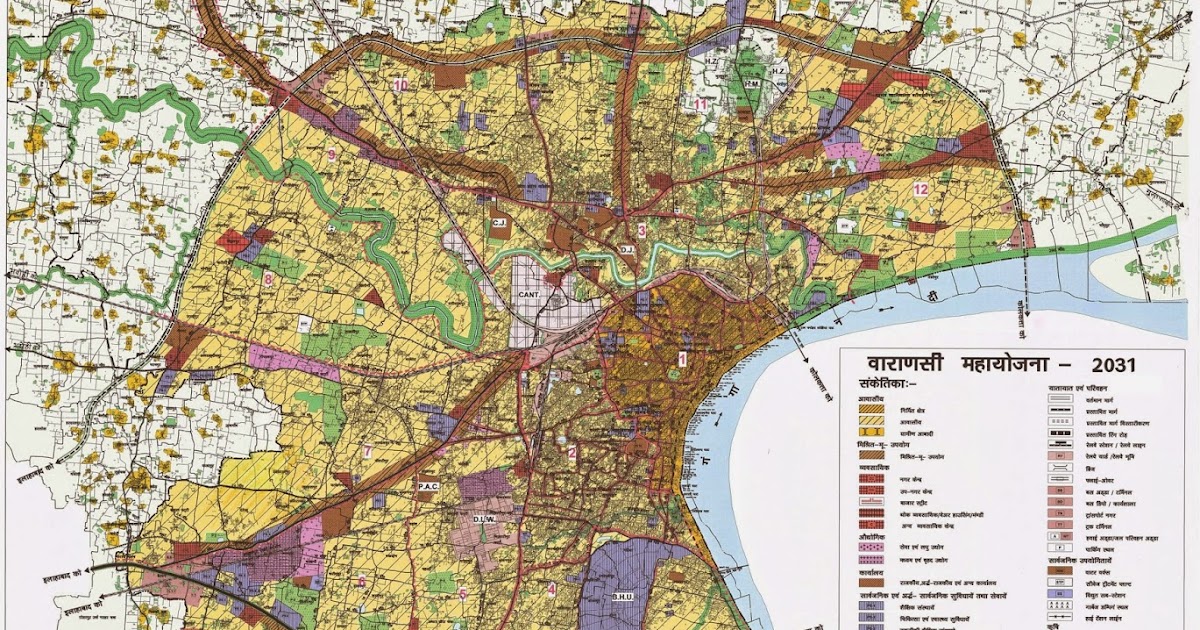
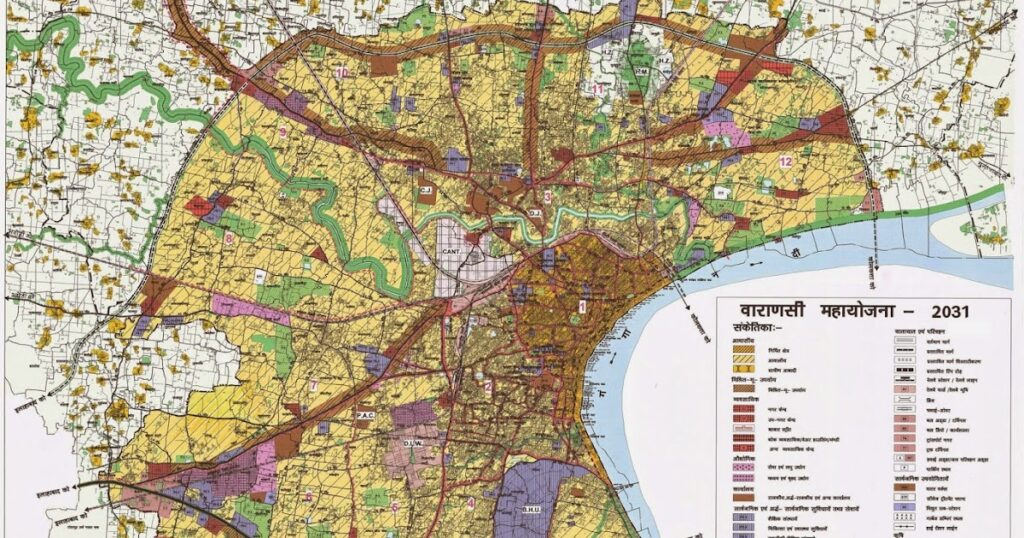
  • Outside VDA Limits (Rural/Gram Panchayat): If the property strictly falls under rural limits managed by the Gram Panchayat, local panchayat NOCs or district authorities apply. However, with the rapid expansion of Varanasi’s urban sprawl, many areas previously under panchayats are routinely re-notified under the VDA. Always verify the current master plan zoning before starting construction.

(For a deeper dive into jurisdiction differences, read our guide on VDA Map Approval vs. Gram Panchayat Approval in Varanasi.)

Why Do Maps Get Rejected, and How Can You Avoid It?

Many owners attempt illegal construction simply because their initial architect blueprint got rejected by the authority. Common reasons for VDA map rejection include:

  • Violating ground coverage and Floor Area Ratio (FAR) limits.

  • Failing to leave mandatory setbacks (front, rear, and side open spaces).

  • Proposing commercial activities in strictly residential zones.

  • Incomplete structural safety documents or missing NOCs.

Working with an experienced local professional ensures your building plan adheres precisely to the building bylaws on the first submission.

Frequently Asked Questions (FAQs)

1. Can I get a VDA map approved after completing construction?

While compounding (regularization) fees exist for minor, compoundable deviations, constructing an entire building without prior approval and expecting a post-facto sanction is extremely risky, expensive, and often rejected if major setbacks or height norms are violated.

2. How long does it take to get a VDA map approved?

With the shift toward online building permission systems (OBPAS), standard approvals usually take anywhere from a few weeks to a couple of months, provided all land documents, ownership proofs, and architect-signed blueprints are complete.

3. What documents are required to apply for a VDA map?

Key documents typically include registered sale deeds (registry), latest tax receipts, up-to-date land khatauni, structural stability certificates from a certified engineer, and detailed architectural drawings.

Build Legally, Build Safely

Don’t risk your life savings on unauthorized construction. Ensure complete peace of mind by getting your blueprints vetted and processed through professional channels. Explore our expert VDA Map Approval Services to get your project legally certified from day one.